
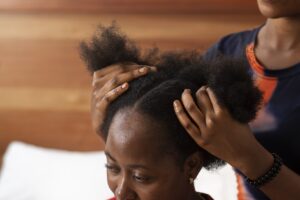
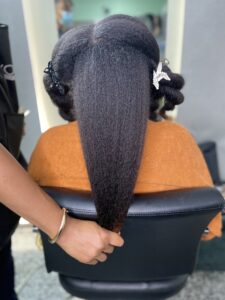
Protective styles are often seen as one of the best things you can do for natural hair.
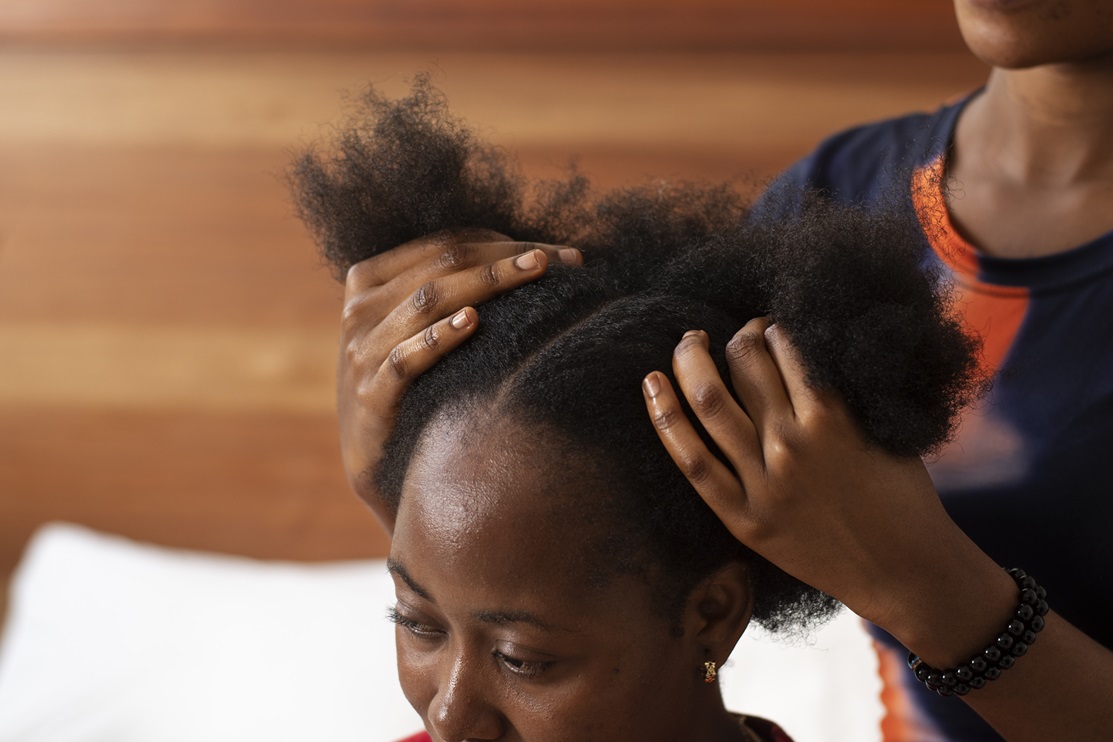
Braids, twists, wigs, and low-manipulation styles are commonly recommended for length retention because they reduce daily handling and give the hair a break from constant styling.
And when done properly, protective styles can absolutely help maintain healthier hair.
But here’s the part many people overlook:
A style is not automatically protective just because it is called a protective style.
In reality, some protective styles end up causing the very problems people are trying to avoid — breakage, thinning edges, dryness, and excessive shedding.
What Protective Styling Is Actually Supposed to Do
The purpose of a protective style is to reduce stress on the hair.
Natural hair can become vulnerable to damage when it is constantly manipulated through brushing, combing, detangling, styling, and exposure to friction from clothes or the environment.
Protective styles help minimize that repeated handling by keeping the hair tucked away and reducing how often it is disturbed.
But for a style to truly be protective, it should help your hair rest — not strain it.
Tight Styles Can Cause More Harm Than Good
One of the biggest issues with protective styles is excessive tension.
A lot of people believe that tighter styles last longer or look neater, but tightness often comes at the expense of your hair health.
When a style pulls too much on the scalp, it creates stress around the roots and hairline. This can lead to soreness, bumps, irritation, headaches, and over time, thinning edges or traction alopecia.
Pain should never be considered “normal” after getting a style done.
A protective style should not leave your scalp feeling like it is under attack.
Leaving Styles In Too Long
Another common mistake is leaving protective styles in for extended periods without proper maintenance.
At first, the style may still look neat externally, but underneath, the hair may already be tangled, dry, or coated with buildup.
As your hair sheds naturally, those loose strands remain trapped within the style. Over time, this can create matting and make takedown much more difficult.
The longer the style stays in without proper care, the higher the chances of breakage during removal.
Protective styles are temporary. Keeping them in excessively long does not always equal better growth.
Your Hair Still Needs Care Underneath
One major misconception is that once your hair is in a protective style, you no longer need to care for it.
But your hair still needs moisture. Your scalp still needs cleansing. Your strands still need attention.
Ignoring your hair completely while it is styled can lead to dryness, itchiness, buildup, and weakened strands.
Protective styling works best when the hair underneath remains healthy.
Not Every Style Is Right for Everyone
Hair responds differently from person to person.
Some people can wear certain styles comfortably for weeks with little issue, while others may experience immediate tension or dryness.
Your hair density, scalp sensitivity, lifestyle, and maintenance habits all affect how well a style works for you.
This is why paying attention to your own hair is more important than blindly following trends.
The Goal Is Protection, Not Just Convenience
Protective styles are helpful because they can reduce manipulation and make hair easier to manage.
But convenience should never come at the expense of your hair health.
A truly protective style should:
* Minimise stress on the hair
* Avoid excessive tension
* Allow proper scalp care
* Help retain moisture
* Be removed before buildup and tangling become excessive
Because protective styling is not simply about hiding your hair away.
It is about protecting the health of your hair while it grows.
