
What Your Hair Is Trying to Tell You
What Your Hair Is Trying to Tell You
Related Article
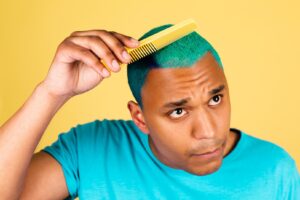

Your hair can give you little clues about how well your routine is working. Perhaps it feels rougher than usual, your styles are not lasting as long, or your scalp seems uncomfortable even though you have not changed much. These changes can be easy to dismiss, especially when you are busy, but paying attention to them can help you understand your hair better.
The tricky part is knowing what those signs actually mean. A change in how your hair feels does not always point to one specific problem, and the solution is not necessarily another product. Sometimes, you need to adjust your routine; other times, your hair may simply need a little more attention.
When Your Hair No Longer Feels as Soft
If your hair has started feeling rough or less manageable, it may be asking for a closer look at your conditioning and moisturising routine. Cleansing products, frequent styling, environmental exposure, and the way you handle your strands can all affect how your hair feels. It is also worth remembering that products do not all work the same way for everyone.
Instead of immediately replacing everything on your shelf, consider when you last conditioned your hair properly and whether your current routine leaves it feeling comfortable and manageable. If you use styling products regularly, a suitable cleansing routine may also help remove buildup that affects how your hair feels. The goal is to identify what has changed rather than keep adding products without a clear reason.
When Your Scalp Keeps Asking for Attention
An itchy, flaky, or uncomfortable scalp should not automatically be treated as a sign that your hair needs oil. Scalp discomfort can have different causes, including irritation, product sensitivity, and conditions such as dandruff. Applying more products without understanding the cause may not help and can sometimes make the problem worse.
Pay attention to whether the discomfort begins after using a particular product, follows a salon appointment, or continues even after washing. Gentle cleansing and avoiding products that trigger irritation are sensible starting points. If itching, redness, soreness, or persistent flaking continues, seek advice from a qualified healthcare professional rather than relying on oils or home remedies alone.
When Your Hair Becomes Harder to Manage
Sometimes, the change is not obvious dryness or scalp discomfort. Your hair may simply feel harder to detangle, your usual styles may not sit the same way, or your locs may feel different from one appointment to the next.
This is a good time to consider your recent habits. Have you been manipulating your hair more often? Have you gone longer than usual between wash days or maintenance appointments? Have you changed your styling methods? These details can help explain what you are experiencing and guide your next steps. For locs in particular, regular cleansing, appropriate maintenance, and avoiding unnecessary product buildup can help keep your hair and scalp in better condition.
When You Notice More Hair Coming Out
It is normal to shed some hair as part of the hair-growth cycle, but shedding and breakage are not the same thing. Shedding usually involves strands released from the follicle, while breakage involves hair snapping along the length of the strand. The difference matters because the causes and appropriate responses can vary.
If you notice a sudden or significant increase in hair loss, visible thinning, bald patches, or scalp discomfort alongside the change, do not assume that a new oil or treatment will solve it. A healthcare professional or dermatologist can help identify the cause and recommend appropriate care.
Learn Your Hair Instead of Constantly Fighting It
One of the most useful things you can do for your natural hair is become familiar with what is normal for it. Notice how it feels after wash day, how your scalp responds to products, and which routines leave your hair manageable. These observations are often more useful than following every new recommendation you see online.
Your hair does not need you to react to every little change with a new product. It needs you to pay attention, understand its needs, and make thoughtful adjustments when necessary. At KL’s Natural Beauty Bar, we believe that good hair care begins with understanding your hair, not simply buying more products.
The more you learn to recognise your hair’s patterns, the easier it becomes to care for it with confidence. Sometimes, the most important step in your routine is simply taking the time to listen to what your hair is telling you.
