

One of the most common concerns naturals express is: “My hair is not growing!” or “My hair has stopped growing!” In reality, unless there’s an underlying medical condition or medication affecting growth, hair is always growing. The real issue for most people is breakage—especially at the ends.
Your ends are the oldest, weakest part of your hair, and when they’re not properly cared for, they break off at the same speed your roots are growing. This creates the illusion that your hair is “stuck” at one length, even though growth is happening.
The truth is simple:
If you don’t protect your ends, you won’t retain length—even with the best growth oils or vitamins.
1. Build a Simple, Consistent Regimen
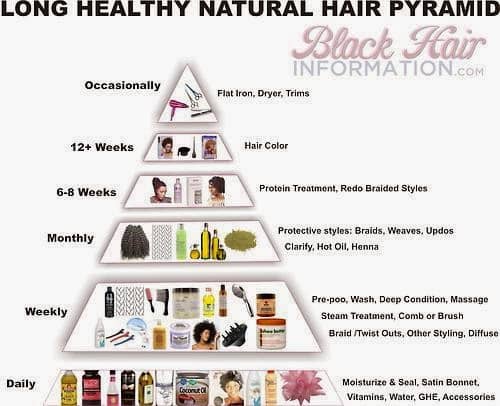
Consistency is the foundation of length retention. Choose a weekly or biweekly wash day that works with your schedule. Cleanse and deep condition, then follow up with a leave-in conditioner and seal with an oil.
If you wear protective styles like twists, braids, or crochet, your routine doesn’t stop there. Moisturize and seal regularly—daily, every other day, or every three days depending on your hair’s needs.
Struggling with tangles? A heavier oil such as castor oil on your ends helps keep strands separated and reduces knots.
Regular trims are also essential. Split ends can travel up the hair shaft, damaging healthy strands. Think of it like pantyhose—a tiny tear becomes a long, climbing “ladder” if not removed.
Finally, strengthen your hair with a monthly protein treatment and alternate every other week with moisture-based deep conditioning. If you have colour-treated hair, this balance is even more important.
And don’t forget to clarify monthly—product buildup prevents moisture from penetrating the hair, leaving it dry despite your best efforts.
2. Handle Your Hair Gently
Rough handling is a silent length killer. Tugging, tearing, and rushing through detangling can undo months of progress.
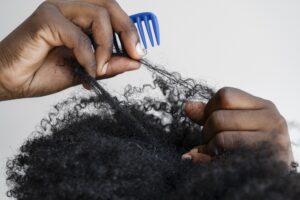
Be especially careful when taking down protective styles. Always detangle on damp, conditioner-saturated hair using your fingers first, then a wide-tooth comb. This reduces friction and breakage.
At home, protect your hair from dryness and friction by wearing a satin or silk bonnet—not just at night, but even while relaxing or sitting on fabric furniture. If bonnets slip off at night, switch to a satin pillowcase. Cotton absorbs moisture and can leave your hair dry from constant rubbing.
3. Be Patient with Your Hair
Even with the right routine, growth takes time. Avoid comparing your journey to others—even siblings can have completely different growth rates.
Instead, document your progress, take photos, and celebrate small wins. Hair thrives with consistency, patience, and gentle care.
